How to Plan a Corporate Catering Menu That Impresses
Planning a corporate catering menu that genuinely impresses is less about extravagance and more about thoughtfulness. People remember how easy it was to eat, how they felt afterward, and whether the food showed respect for their time, culture, and needs. Use the steps below as a practical framework when planning any corporate event menu—from board meetings to all‑hands celebrations.
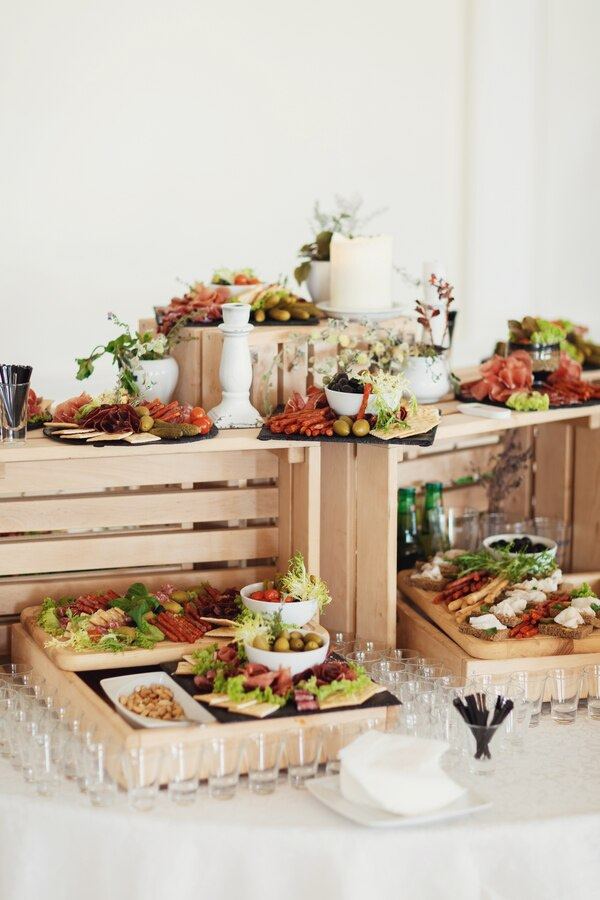
1. Clarify the Event Purpose and Format
Before thinking about dishes, define the context. It shapes everything else.
Ask:
- What is the main goal?
- Internal training, client pitch, board meeting, team celebration, all‑hands, conference?
- What is the tone?
- Formal, casual, innovative, celebratory, budget‑conscious?
- What’s the format?
- Seated plated meal, buffet, food stations, passed canapés, grab‑and‑go boxes, working lunch?
How this affects the menu:
- High‑focus meetings (board meetings, negotiations):
- Lighter, brain‑friendly foods; minimal mess; low odor; easy to eat quietly.
- Networking events:
- Bite‑sized, utensil‑free options; variety; no awkwardly large or drippy items.
- Trainings / workshops:
- Sustaining items with protein and whole grains; avoid heavy, sleepy‑making dishes.
- Celebrations:
- More indulgent options; dessert variety; maybe a “wow” centerpiece item.
2. Know Your Guests and Headcount
The more you know about attendees, the smarter your menu.
Gather:
- Headcount (plus a buffer of 5–10%).
- Profile:
- Internal employees vs. external clients.
- Seniority level (execs, mixed levels, junior staff).
- Demographics: age range, cultural background, typical dietary patterns.
- Event schedule:
- Time of day and duration.
- Any sessions before/after that impact hunger and energy levels.
Menu implications:
- Mixed groups and client events benefit from familiar dishes with a twist rather than experimental-only menus.
- Younger teams may be more open to global flavors and fusion.
- International or multicultural groups call for neutral, globally approachable choices (grilled chicken/fish, veg-forward sides, rice, salads, mild sauces).
3. Design for Diets, Allergies, and Inclusivity
An impressive corporate menu makes everyone feel considered.
Always account for:
- Vegetarian
- Vegan
- Gluten-free
- Dairy-free / lactose-intolerant
- Nut allergies
- Religious / ethical restrictions (e.g., halal, kosher-style, no pork, no beef)
Practical steps:
- Ask for dietary needs in the event invite or registration form.
- Share a final tally of special requirements with your caterer early.
- Request clearly labeled dishes (e.g., “V”, “GF”, “DF”, “Contains nuts”).
Smart planning approach:
- Make at least 30–40% of the menu naturally vegetarian, with several vegan options.
- Prefer naturally gluten-free dishes (rice, potatoes, polenta, grilled meats, legumes) rather than heavily processed substitutes.
- Avoid cross‑contamination for serious allergies (nuts, shellfish, gluten) with dedicated platters or packaging.
Inclusivity is one of the fastest ways for a menu to stand out—people remember that they could actually eat and enjoy the food.
4. Match the Menu to the Time of Day
Timing influences portion size, dish composition, and style.
Breakfast
Priorities: energy, clarity, no sugar crash.
Include:
- Light proteins: eggs (frittata, mini quiches), yogurt, smoked salmon, nut butters.
- Complex carbs: whole grain breads, oats, low‑sugar granola, fruit.
- Some indulgence: pastries, but in moderation.
Avoid:
- Extremely greasy foods (heavy bacon, oily potatoes) if focus is needed afterward.
- Oversized sugary pastries as the main option—they spike and crash energy.
Lunch
Priorities: satisfaction without post‑lunch fatigue.
Include:
- Lean proteins: grilled chicken, fish, tofu, legumes.
- Substantial salads: with grains, seeds, beans, and dressings on the side.
- Smart carbs: brown rice, quinoa, roasted vegetables, whole‑grain breads.
- Handhelds: wraps, sandwiches with clean fillings; mini portions for variety.
Avoid:
- Very heavy cream‑based dishes, huge portions of pasta, or fried platters if people must work afterward.
Afternoon Breaks
Priorities: gentle energy boost and morale.
Include:
- Fresh fruit, nuts, hummus with veg, cheese boards.
- A small dessert element (cookies, brownies, mini tarts).
- Hydration: infused waters, tea, coffee.
Avoid:
- Only sugary snacks. Provide protein and fiber to stabilize energy.
Dinner / Evening Events
Priorities: experience, enjoyment, and social ease.
Include:
- More elaborate or “special” dishes.
- Balance of comfort foods and lighter options.
- Memorable dessert (mini desserts work well).
Avoid:
- Overly messy “knife‑and‑fork” requirements at networking-heavy events.
- Very strong odors (overly garlicky, fishy) in close professional settings.
5. Balance Flavors, Textures, and Nutrition
A cohesive, impressive menu feels balanced and intentional.
Think in terms of:
- Flavors:
- Offer a mix of savory, fresh/acidic, mild, and slightly spicy (with clearly labeled spice levels).
- Textures:
- Combine crunchy (slaws, nuts, crisp veg), soft (roasts, stews), creamy (dips, dressings).
- Nutrition:
- Ensure each person can build a plate with a protein + complex carb + vegetables.
Example balanced lunch spread:
- Proteins: grilled lemon-herb chicken, roasted salmon, marinated tofu (V, GF)
- Carbs: quinoa pilaf with vegetables (V, GF), roasted baby potatoes (V, GF)
- Veg: mixed green salad with toppings and dressings on the side, grilled seasonal vegetables
- Extras: hummus and crudités, whole‑grain rolls
- Dessert: seasonal fruit platter + small pastries
6. Consider Format: Plated, Buffet, Stations, or Boxes
The service style can enhance—or ruin—how good the food feels.
Plated Meals
- Best for: formal events, client dinners, smaller executive gatherings.
- Pros: controlled portions, elegant presentation, fewer queues.
- Cons: less choice; more complex logistics and higher cost per head.
Buffets
- Best for: mid‑size internal events, casual client gatherings.
- Pros: variety, flexibility for dietary needs, good for mixed groups.
- Cons: lines; possible food waste; requires space and good flow.
Food Stations
- Best for: receptions, networking, large events.
- Pros: interactive; can highlight themes (taco bar, noodle station, salad bar).
- Cons: needs space and staff; risk of congestion if poorly placed.
Boxed / Individual Meals
- Best for: trainings, all‑day workshops, offsite meetings, high‑hygiene environments.
- Pros: easy distribution; accommodates specific dietary needs; less cross‑contamination.
- Cons: less visual impact; packaging waste; limited variety per person.
Match the style to:
- Available space and furniture.
- Time available to eat.
- Desired formality level.
- Staffing constraints.
7. Make It Easy to Eat While Working or Networking
Corporate catering often competes with laptops, notepads, and handshakes.
Design for practicality:
- Choose fork-only or hand-held items for working lunches and standing receptions.
- Avoid:
- Foods that splatter (saucy pastas, overstuffed burgers).
- Bones, shells, or pits where possible.
- Strongly staining sauces (beet, turmeric, oily tomato) at suit‑and‑heels events.
- Offer spill‑safe containers (bowls, deep plates) in tight or tech-heavy spaces.
For networking:
- Small, one‑or‑two bite canapés.
- Skewers, mini sliders, cups, cones, and spoons instead of items needing cutting.
- Plenty of small napkins and accessible trash points.
8. Align the Menu with Your Brand and Culture
Food is a brand touchpoint.
Reflect your identity:
- Innovative tech firm: showcase modern, health-conscious, global flavors.
- Financial or legal services: lean into polished classics with quality ingredients.
- Creative agency: try unexpected pairings, bold presentation, interactive stations.
- Sustainability‑focused company: emphasize plant‑forward dishes, local sourcing, and clear sustainability messaging.
You don’t need everything to be branded, but:
- Use company colors subtly in desserts or garnishes.
- Include one signature item (e.g., a specialty mocktail, a branded cookie, a house‑favorite dish).
- Highlight values: “Locally sourced vegetables,” “Plant‑forward menu,” “No single‑use plastic where possible.”
9. Coordinate Beverages Intentionally
Drinks are often an afterthought but significantly shape perception.
Non‑alcoholic essentials:
- Still and sparkling water (with and without flavors).
- Quality coffee (regular + decaf) and tea selection.
- At least one interesting non‑alcoholic option: iced tea, cold brew, lemonade, house sodas, mocktails.
If alcohol is appropriate:
- Beer, wine, and 1–2 signature cocktails or mocktails.
- Clear policies around number of drinks, timing (usually after formal content), and transportation safety.
- Strong non‑alcoholic choices so non‑drinkers don’t feel sidelined.
Be mindful of regional and company culture—many corporate events do well with an entirely alcohol‑free bar.
10. Add a Memorable Touch (Without Blowing the Budget)
Impressive details don’t have to be expensive.
Examples:
- Seasonal focus: highlight in writing: “Spring menu featuring local asparagus and strawberries.”
- Action element: live carving station, made‑to‑order tacos, custom grain bowls, or a build‑your‑own dessert bar.
- Mini portions: a trio of bite‑size desserts instead of one large one.
- Storytelling on menu cards: brief notes like “Grandmother’s recipe” or “From a local bakery 2 miles from the office.”
- Health‑conscious but indulgent: dark chocolate bites, yogurt parfait bar, beautifully cut fruit alongside pastries.
These touches create conversation and show care.
11. Communicate the Menu Clearly
Visibility and clarity make the experience smoother and more inclusive.
Menu display options:
- Printed menus at each table or buffet.
- Tabletop signs for each item listing:
- Name
- Short description
- Key dietary labels (V, VG, GF, DF, contains nuts, spicy).
- Digital menu shared in calendar invites for pre‑event planning.
This helps:
- Guests with allergies plan safely.
- People quickly find options they’ll enjoy.
- Reduce repetitive questions to staff.
12. Plan Logistics and Contingencies with the Caterer
Even great menus fail without solid execution.
Discuss in detail:
- Timing:
- Delivery and set‑up times.
- Serving times (and how food will be kept hot/cold).
- Quantities:
- Portions per person and buffer for last‑minute attendees.
- Equipment:
- Chafing dishes, serving utensils, linens, plates, cutlery, glassware.
- Staffing:
- Servers, chefs, bartenders, bussers as needed.
- Venue constraints:
- Load‑in access, elevators, kitchen availability, power outlets, water access.
Contingency planning:
- Backup dishes if a key item runs low.
- Weather plan for outdoor events (tents, backup indoor space).
- Dietary backup: extra vegan / GF portions.
A professional caterer should walk you through these; insist on clarity in writing.
13. Evaluate and Improve for Next Time
Impressive corporate catering becomes predictable when you learn from each event.
After the event:
- Gather quick feedback:
- Short survey (2–4 questions) via email or internal tools.
- Ask about taste, variety, healthy options, and dietary accommodation.
- Debrief internally:
- What ran out too fast?
- What barely got touched?
- Any complaints or standout compliments?
- Share highlights and issues with your caterer to refine future menus.
Over time, you’ll identify house favorites, ideal portion sizes, and preferred formats for different event types.
Sample Corporate Catering Menus That Impress
Use these as starting templates and adapt to your context.
Working Lunch (Hybrid Meeting‑Friendly)
- Individually boxed grain bowls:
- Base: quinoa or brown rice.
- Toppings: grilled chicken / roasted tofu / falafel, mixed vegetables, seeds, light dressing.
- Side: small green salad with vinaigrette.
- Snack: fruit cup + small brownie or cookie.
- Beverages: water, sparkling water, coffee, tea.
Client Reception (Standing, 2 Hours)
- Passed canapés:
- Smoked salmon on blinis.
- Caprese skewers (V, GF).
- Mini beef sliders + mini falafel sliders (V).
- Cucumber cups with hummus (VG, GF).
- Station:
- Charcuterie and cheese board.
- Crudités with dips (hummus, yogurt dip, pesto).
- Dessert:
- Assorted mini tarts and macarons.
- Beverages:
- Sparkling water, juices, wine, and one signature mocktail.
All‑Hands Team Celebration (Casual Buffet)
- Proteins:
- Herb‑roasted chicken (GF, DF).
- Baked salmon with citrus (GF).
- Roasted vegetable and chickpea tagine (VG, GF).
- Sides:
- Lemon couscous or quinoa (VG).
- Roasted seasonal vegetables (VG, GF).
- Mixed green salad with toppings and dressings on the side.
- Dessert:
- Fruit platters, brownies, and a celebratory cake.
- Beverages:
- Infused waters, soft drinks, coffee, tea.
Planning a corporate catering menu that impresses is a repeatable process: understand the event and people, build an inclusive and balanced menu, choose the right format, execute the logistics, and learn from each experience. When food quietly supports focus, comfort, and connection—and everyone can find something they enjoy—that’s what people remember.